A Rewatch Built Around One Actor’s Hands
A rewatch focused on one actor’s hands reveals how gestures, touch and stillness shape character, tension and relationships in a film scene.
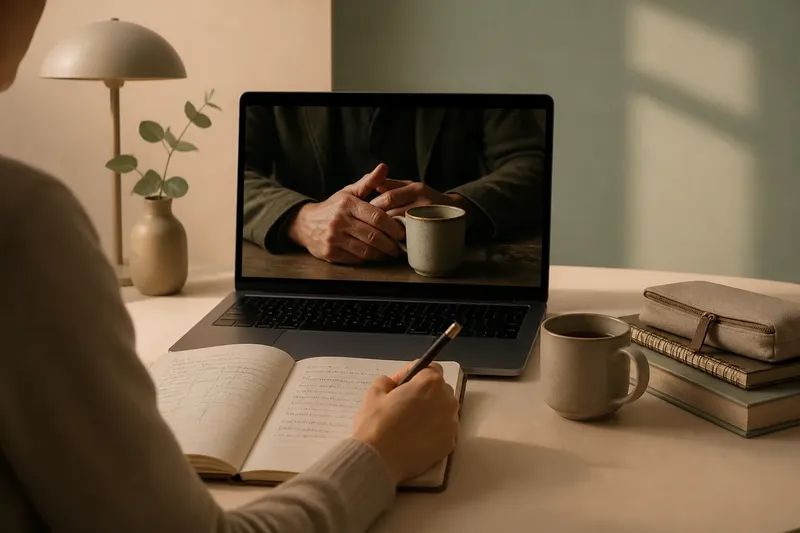
Choose a familiar film, settle in with a notebook, and let one actor’s hands hold your attention. A rewatch focused on one actor’s hands can show how a character reaches, withdraws, fidgets or stays still—and how those choices alter the space between people.
This is not a hunt for grand gestures. A thumb worrying a paper cup may matter more than a dramatic flourish, particularly when the face appears composed. The aim is to watch one performer closely enough to notice when a movement changes the scene.
Choose your performer
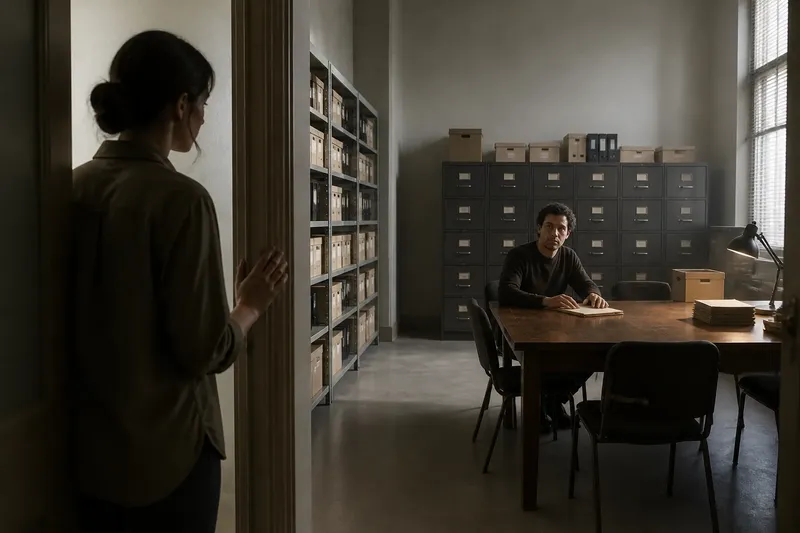
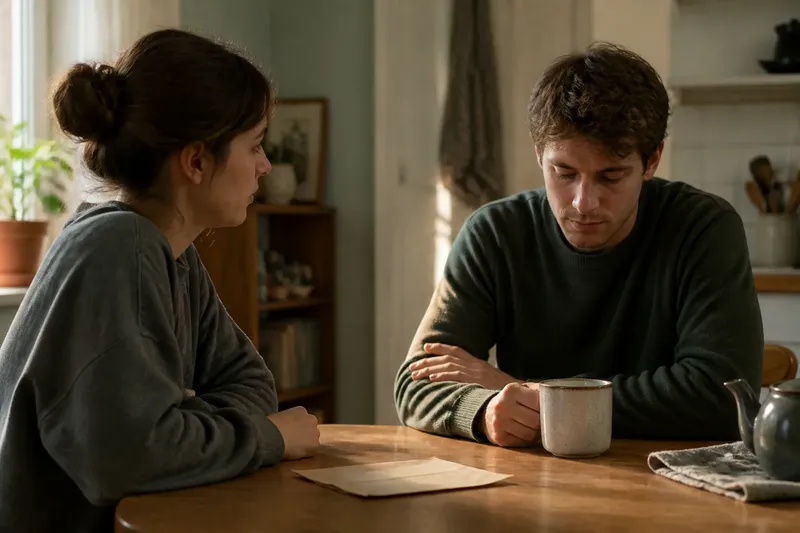
Pick a film you know well and a performer whose character handles objects or shares scenes with other people. A kitchen conversation, a formal meeting or a tense exchange over a table can all provide useful material. Familiarity frees you from keeping track of the plot.
For a first viewing, choose a scene with a clear beginning and end. Keep the whole film available, but do not try to monitor every gesture in every scene at once. A concentrated passage gives your attention something manageable to follow.
Gather a notebook and a pencil, or open a plain notes app. Leave room to record the scene’s location, who is present and what the character is doing before you start tracking the hands. You will want a simple record, not a transcript.
Watch the scene normally
Play the chosen scene once without pausing. Follow the conversation and note the broad turn: does the character make a request, resist one, offer something or change their mind? Write down the moment when the relationship seems to shift, even if you are not yet sure why.
This first pass gives you a baseline. If you begin by staring at fingers, you may miss what the scene asks of the character; if you watch the scene first, a later gesture can be judged against the moment around it rather than treated as decoration.
Track each movement
Replay the scene and follow only the chosen performer’s hands. Note what they do, when they begin doing it and whether the action ends. Use plain descriptions: “folds napkin”, “touches glass”, “hand stays beneath table”. Avoid interpreting the gesture too soon.
Include moments when the hands are still. Stillness can be a deliberate choice, a sign that the character is waiting, or simply the actor’s neutral position; the scene around it will help you decide. Record whether the hands are visible, hidden, occupied or held close to the body.
Keep each note tied to an observable beat in the scene. For example, write “sets spoon down as the question arrives” rather than “feels guilty”. The first is something you can check on another viewing; the second is a reading to test later.
Notice the object
When the performer touches something, ask what the object makes possible. A key can be passed, concealed or withheld; a cup can be lifted to interrupt a conversation or left untouched as someone waits. The object’s ordinary purpose matters, but so does what the character does with it at that particular moment.
Watch for a shift in grip or use. A character who turns a pen while listening may stop the motion when an unexpected name comes up. A hand moving from a shared object to a private one can mark a change in attention without any spoken announcement.
Imagine a scene in which a character begins by arranging sugar packets while a friend explains a problem, then leaves the packets untouched when asked a direct question. The starting action is packet-arranging; the action changes when the question arrives; the observable result is that the hands become still while the character attends to the friend. That sequence gives you a precise moment to examine, without proving what the character feels.
Read the relationship
Now include the other people in the scene. Notice whether the actor’s hands move towards someone, away from them or across the space between them. A hand that offers an object invites a response; a hand that keeps hold of it may leave the exchange unfinished.
Compare the gesture with the other performer’s response. Does the other person take the object, look at the hand, ignore it or answer with a movement of their own? That exchange can reveal a relationship’s balance more clearly than either gesture considered alone.
Also note who controls the shared objects and surfaces. One character may clear space while another occupies it; someone may reach across the table and stop short. Describe the arrangement first, then consider how it makes closeness, authority or hesitation visible.
Check camera and cut
On another pass, look at how the film lets you see the movement. Is the hand in the frame throughout, briefly revealed in a close view or hidden until a cut? Does the shot hold long enough for you to notice the gesture, or does the edit make it an abrupt interruption?
Separate what the performer does from what the camera reveals. A hand may be moving before the film shows it, while an edit can draw attention to an action already in progress. If you only catch the gesture after a cut, note that choice rather than crediting every effect to acting.
Check whether the face and hands tell the same story. A composed expression paired with restless fingers creates a different impression from a relaxed face and a held, motionless hand. The contrast may suggest tension, but keep the description close to what is visible before deciding what it means.
What should you record?
How do I choose a scene?
Choose a scene you can follow without needing to solve its plot, ideally one with an object or another person within reach. A clear interaction makes changes in gesture easier to spot than a passage filled with rapid action.
Should I pause the film?
Watch once without pausing, then pause only when a specific movement is hard to describe or place. Repeated stopping can break the scene’s rhythm and make a small gesture seem more emphatic than it felt in motion.
What if the hands stay still?
Record the stillness and check what surrounds it: a question, another person’s movement, or a change in the conversation. If nothing shifts, that is useful too; not every visible hand movement needs to carry a message.
How can I tell gesture from interpretation?
Write down the physical action first, then add a separate note about what it might suggest. Keeping those records distinct lets you reconsider the meaning without changing what the film actually shows.
Build a short viewing order
For a quiet afternoon, give each pass a single job rather than replaying the scene without a question. This keeps the exercise attentive without turning it into a catalogue of every finger movement.
Watch the scene once for its overall change in the conversation.
Replay it while noting the chosen actor’s hand movements and stillness.
Watch again for objects, noting how each one is held, offered, moved or left alone.
Track the other performers’ responses to the actor’s gestures.
Make a final pass for framing and editing, then read your notes beside the scene’s dramatic turn.
After the last pass, choose one moment that changed how you understood the character or their connection with someone else. State the action, its timing and the response it drew; then leave open any feeling the film does not settle. A rewatch focused on one actor’s hands works best when it sharpens your attention, not when it claims to solve the scene.